
It's Friday, August 28th: Welcome to The Stress Test 🔍
Claude's memory does not save sensitive topics by default, and Anthropic's published definition of sensitive covers your health, race, religion, and politics, with nothing about the client work you paste in all day.
🔍THE STRESS TEST
What Anthropic Blocks From Claude's Memory, And What It Doesn't
One safety story a week, pressure-tested for what's actually happening underneath the surface.
Anthropic turned on memory across Claude this week, and the announcement says that sensitive topics are not saved by default. Sensitive means something narrower than most of us would assume.
So let's stress-test what that word is actually doing.
Anthropic publishes the definition: sensitive means "personal or sensitive subject matter, like your health, race, ethnicity, religious beliefs, politics, gender identity, and other similar areas."

Image from Claude Blog
Every item on that list is a protected personal characteristic, and not one of them is a business secret.
So Claude will not remember your gluten allergy, which is Anthropic's own example. It will remember the salary band you were negotiating, the reorg you have not announced, and the client's renewal terms, none of which counts as sensitive under this definition.
The design intent shows up again in what stays blocked even after you opt in: "sensitive identification numbers (SSN, government ID numbers, etc), criminal history, immigration status." Those are anti-discrimination categories, which tells you the filter was built around personal identity rather than commercial confidentiality.
The announcement is titled "Claude's memory works everywhere, and you decide what's in it," and that is true. The menu is organized around who you are, not around what your company cannot afford to leak.
Who carries the most risk comes down to the plan. On Team and Enterprise, memory is off until an owner turns it on, so somebody at least made a choice. On Free, Pro, and Max it is on by default, so the people holding the most unprotected work context are often the ones who never had to decide anything: the solo consultant, the contractor, anyone on a personal plan who spent this week working through client material.
Anthropic built this carefully. The boundary is documented, the right things are blocked for personal privacy, and every project gets its own memory space. The gap is not in the engineering. It sits between what a working professional hears in "sensitive topics excluded by default" and what the phrase was built to cover.
If you are the one deciding whether to turn this on, spend five minutes writing your own list of what Claude should not remember before you flip it. No default can write that list for you, because the things your company cannot afford to remember will never show up on a protected-class list.
FROM OUR SPONSORS
⚡ Secure Your OPEN Pass to API World + CloudX + AI TechWorld

Image from DevNetwork
Our partner DevNetwork is bringing API World + CloudX + AI TechWorld to the Santa Clara Convention Center next week September 1-3, and they've set aside 50 free OPEN Passes ($195 each) for AI Collective members.
OPEN passes include access to 100+ sessions, 150+ speakers, technical keynotes, hands-on workshops, Expo Hall, and the DevNetwork Hackathon.
Featured keynote speakers include Kathy Baxter of Salesforce, Saahil Jain of You.com, Eddie Zhou of Glean, and Bastien Beurier of Nango, alongside technology leaders from AWS, Microsoft, Google, Apple and more. Check out the schedule here.
FROM OUR SPONSORS
⚡ Benchmarking Autonomous AI Agents on Multilingual Coding Tasks

Image from LILT
Evaluating agentic AI on standard English coding tasks masks severe execution failures in global technical environments. Standard benchmarks fail to capture how models handle internationalization (i18n), local character encodings, text conversions, and regional system configurations.
Multilingual Terminal-Bench extends Terminal-Bench 2.0 with 300 expert-authored tasks across 10 languages, leveraging the Harbor evaluation framework with native Docker environments. Even frontier models like GPT-5.5 achieve a maximum resolution rate of just 63.1%, uncovering a performance gap of up to 37.9% compared to English and proving cross-lingual coding capability cannot be assumed.
Read the full technical breakdown to learn how Multilingual Terminal-Bench evaluates agentic execution across 10 languages and exposes critical cross-lingual coding bottlenecks.

Each week, we highlight AIC chapters doing groundbreaking work with their members around the world. Tag us on socials to be featured!
🎖️ Augusta | Veterans Academy Turns Service Into Second Careers

Image from Wright Andrews
AI Collective Augusta hosted the OpenAI Academy for Veterans, a hands-on session built to help veterans move into civilian careers. Working with OpenAI and Veterans Forge, the group helped attendees translate military skills into civilian resumes and identify opportunities that match their level of experience.
Later, the chapter gathered at Southbound Smokehouse for Mixer on the River. The weekend also marked Augusta's first partnership with another AI Collective chapter, bringing the Hampton Roads team into the program and opening the door to more collaboration across the region.
🌁 SF | Watch Eight Startups Demo Live on September 3

Image from AI Collective
The AI Collective is bringing Demo Night to San Francisco on Thursday, September 3, from 5:30 to 8:30 PM Pacific at the AWS Builder Loft. Eight selected pre-Series A teams will demo live, take questions from the room, and face a community vote at the end of the night. The Demo Night app lets attendees explore the demos, ask questions, share feedback, and join waitlists.
Space is limited and the guest list is tight. Register on the event page, wait to be accepted, and bring a valid physical ID for check-in. No plus ones. Register early if you want a seat.
🫵 Want your message in front of 200,000 AI builders?
Our partners and sponsors get exclusive placements across the newsletter and access to AIC's in-person network — demo nights, dinners, hackathons, and forums across 180+ chapters.
For all inquiries, send us a note at [email protected].
The AI Collective is built by volunteers across 180+ chapters in 40 countries.
Thank you to the thousands of volunteers around the world who make this work possible. We truly could not do this without you.
🧑💻 About the Editors

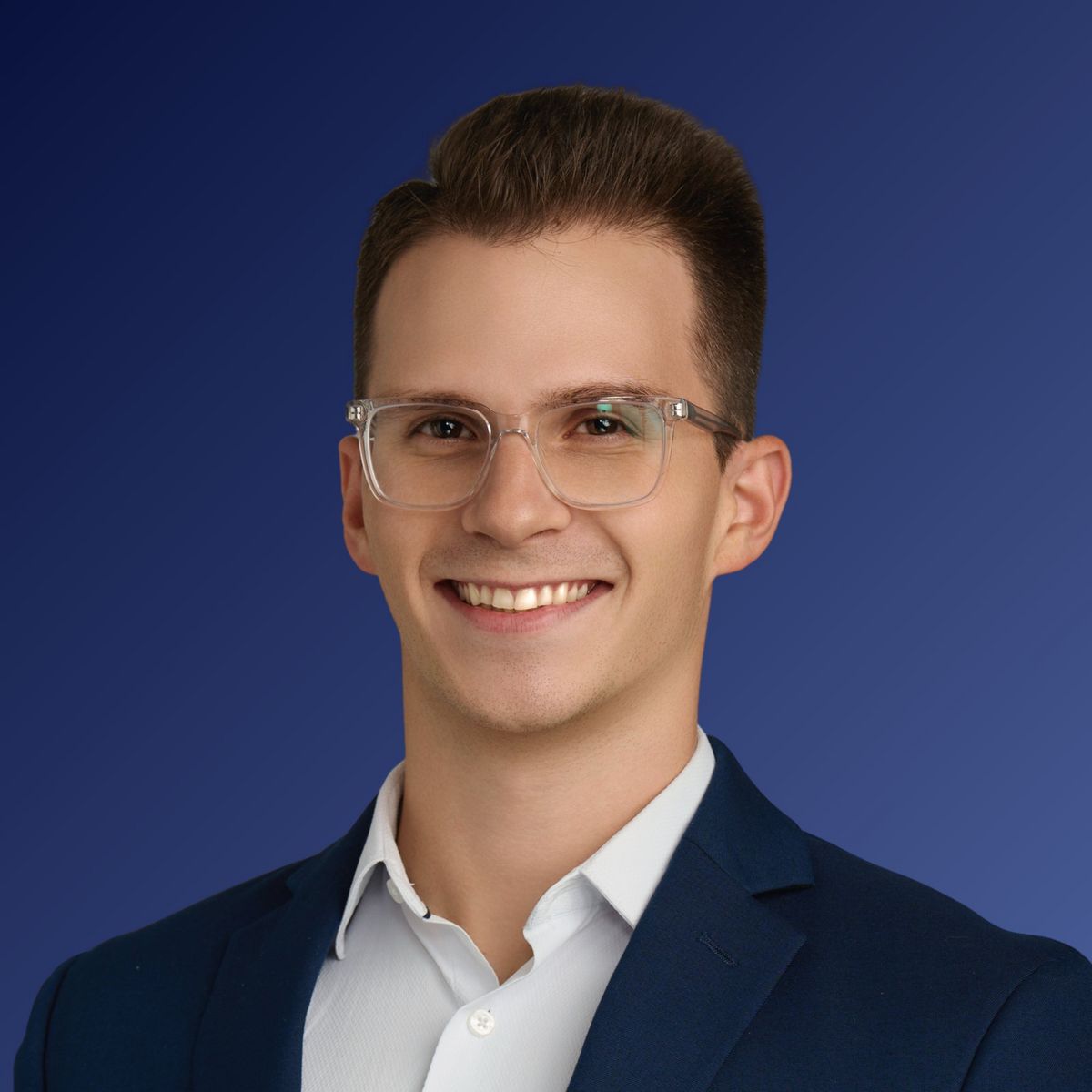
About Noah Frank
Noah is a researcher, innovation strategist, and ex-founder thinking and writing about the future of AI and the workforce. His work and body of research explores the economics of emerging technology and organizational strategy. Outside of AIC, Noah heads research for Centaurian AI.


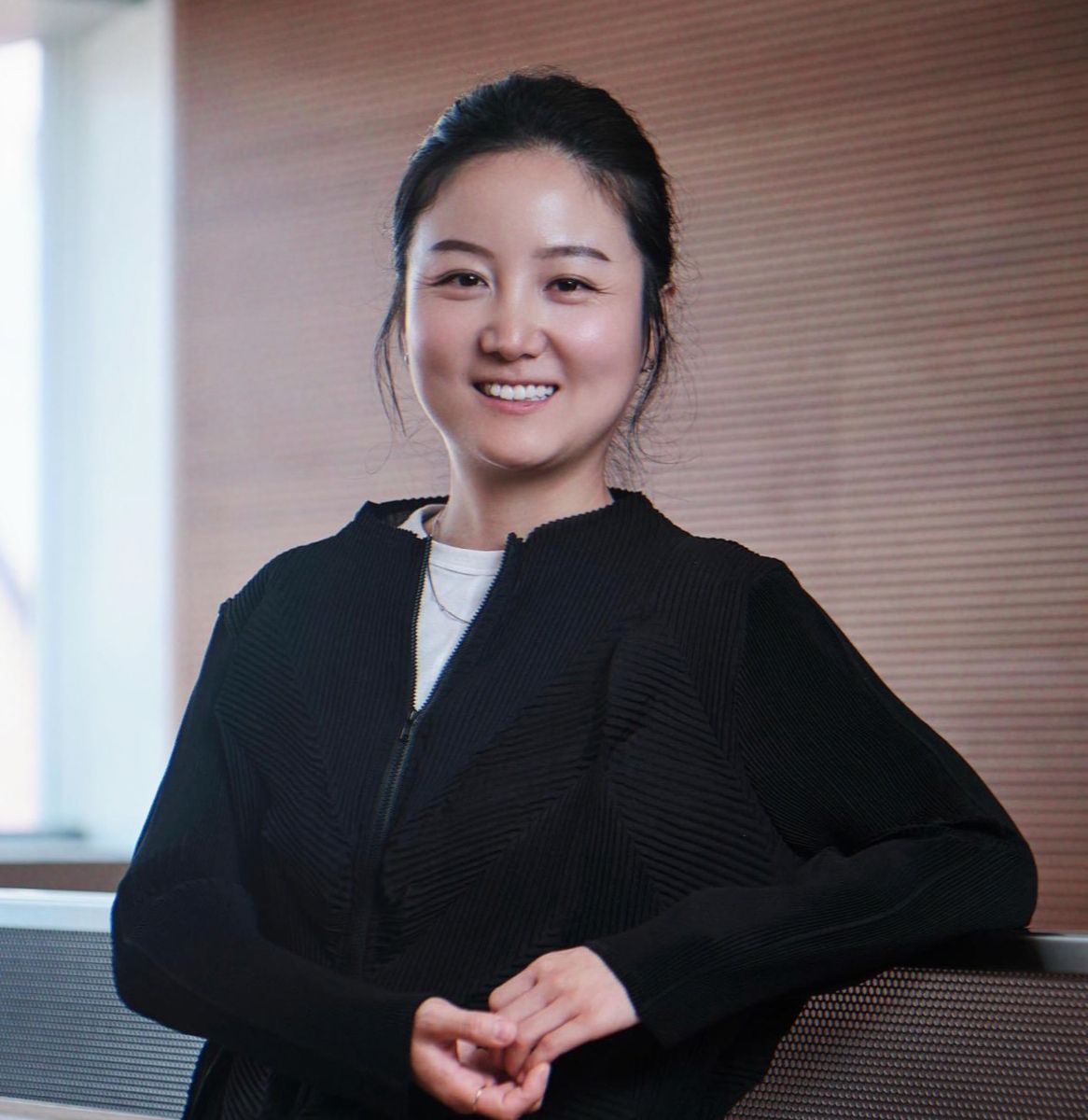
About Lindsay Gross
Lindsay is an AI engineer, researcher, and writer focused on how AI systems behave in practice and what it takes to make them safe. Her work sits at the intersection of AI safety, governance, and product design. At AIC and in her newsletter, Hidden Layer, she writes about the questions that matter most as these systems scale.