
It's Friday, July 3rd: Welcome to The Stress Test 🔍
Last month the US government switched off Anthropic's most powerful model for 19 days, the way you'd restrict a weapon. It's back now, but not on the same terms. This week's Stress Test gets into what quietly changed while it was gone.
FROM AI COLLECTIVE HQ
✍️ Win $100 in Codex Credits: Take the 2-Minute Community Survey
Everything we build at The AI Collective is for YOU, our community. We're gearing up to launch more content, more virtual events, and more opportunities for our members to connect.
I want to hear from YOU directly. Please take 2 minutes to complete this quick survey for a chance to win $100 in Codex Credits. The more people who answer, the better we can build the community that YOU need.
-AJ Green, Executive Director
🔍THE STRESS TEST
We Tracked Fable 5's 19 Days Offline So You Don't Have To
One safety story a week, pressure-tested for what's actually happening underneath the surface.

Two days ago, on July 1, Claude Fable 5 came back online. It launched June 9, went dark June 12, came partway back June 26, and got cleared June 30. I have a notes page on my phone called "fable/mythos" and it is embarrassing. So I did the reconstructing so you don't have to.
The short version: three days after Anthropic shipped its most capable model, the US government sent an export-control directive barring foreign nationals from it, citing a jailbreak, a prompt that slips past a model's safety rules, that Amazon researchers used to get the model to find software flaws and, once, write code to exploit one. Anthropic couldn't verify nationality in real time, so it pulled the model for everyone. Nineteen days later it's back, retrained with a stricter filter that now blocks the technique in over 99% of cases and reroutes more of your coding requests to a weaker model.
Should you actually use it? If you're a company, not for anything critical without a tested fallback. Fable didn't go down from a bug, it went down from a policy decision, and spreading across AWS, Google, and Azure wouldn't have saved you, because the block hit the model, not the cloud. It also requires 30-day data retention, which rules out zero-retention teams, and it quietly hands some requests to a weaker model, so you can't always prove which one answered. For personal use, Opus 4.8 is the honest default and Fable is the one you reach for on long, complex work.
None of this was a normal product launch. The June 2 executive order set up a review process for frontier models but made it voluntary, no lab is required to use it, and Fable didn't. So when the government decided to act, it had no real process built for this, and reached for export controls, a tool built for weapons, instead.
It has the same shape as a compliance audit: passing the check and being safe are not the same thing. Pulling one model doesn't remove a capability that reportedly works on half a dozen others, it just hands competitors 19 free days.
Fable 5 didn't come back less capable, it came back less dependable, and if you build on it, that's the harder problem. Availability, consistency, transparency, terms: all four took a hit this week.
All six questions that keep coming up, answered with primary sources, in one place on Hidden Layer.

Each week, we highlight AIC chapters doing groundbreaking work with their members around the world. Tag us on socials to be featured!
🌉 San Francisco | Pitch Night Ends With Bionic Hands Sweeping the Room

Image from AI Collective
The AI Collective's San Francisco chapter ran a pitch night this week that started with more than 80 submissions and ended with 6 founders on stage, each in front of a room of builders, judges, and investors. The clear standout was Giovanni Antonio Zappatore of BionIT Labs, whose AI-powered bionic hands for humans and robots took the judges' Best Pitch award and the audience's Top Funded vote, the rare sweep of both. The premise the chapter kept repeating was simple: the point of a night like this is to walk out with a cofounder, a first customer, or your next check.
The rest of the lineup was a decent map of how wide "AI startup" now runs:
BionIT Labs (Giovanni Antonio Zappatore), bionic hands that give humans and robots a real grip
Niobia AI (Dr. Gaurav Jha), a Cursor for advanced manufacturing engineers, turning hardware work into software speed
GestureBridge (Mayer Javed), real-time translation for the deaf community
Liddy.ai (Catalina Girald), an always-on voice AI for the beauty counter
Ito AI (Evan Marshall), code review that actually runs your code, not just reads it
AI Tabir (Dmytro Spodarets), an agent that hunts down your busywork and does it
Six founders, six problems most people would have called too hard to solve this fast a year ago. That was the quiet takeaway of the night: the bar for how quickly a hard idea becomes a working demo keeps moving.
🏃 San Francisco | The AI World's Fair Opened With a Run Along the Water

Image from Elizabeth Siegle
The AI Engineer World's Fair kicked off this week with a run. Elizabeth Siegle helped put on the Agent Run, a 38-person group jog along the San Francisco waterfront before the doors opened, drawing more than 200 signups on Luma. The crowd came in from Lisbon, London, Singapore, Australia, Italy, and Seattle, the kind of guest list you only get when a conference pulls builders from everywhere at once.
The route ran past the bay and wrapped at a Ferry Building coffee takeover, a low-key on-ramp to a week that gets loud fast. It is a small reminder that a lot of the value at these gatherings lives off the official schedule, in the side events builders organize for each other. The AI Collective was among the community groups in the mix.
🫵 Want your message in front of 200,000 AI builders?
Our partners and sponsors get exclusive placements across the newsletter and access to AIC's in-person network — demo nights, dinners, hackathons, and forums across 180+ chapters.
For all inquiries, send us a note at [email protected].
The AI Collective is built by volunteers across 180+ chapters in 40 countries.
Thank you to the thousands of volunteers around the world who make this work possible. We truly could not do this without you.
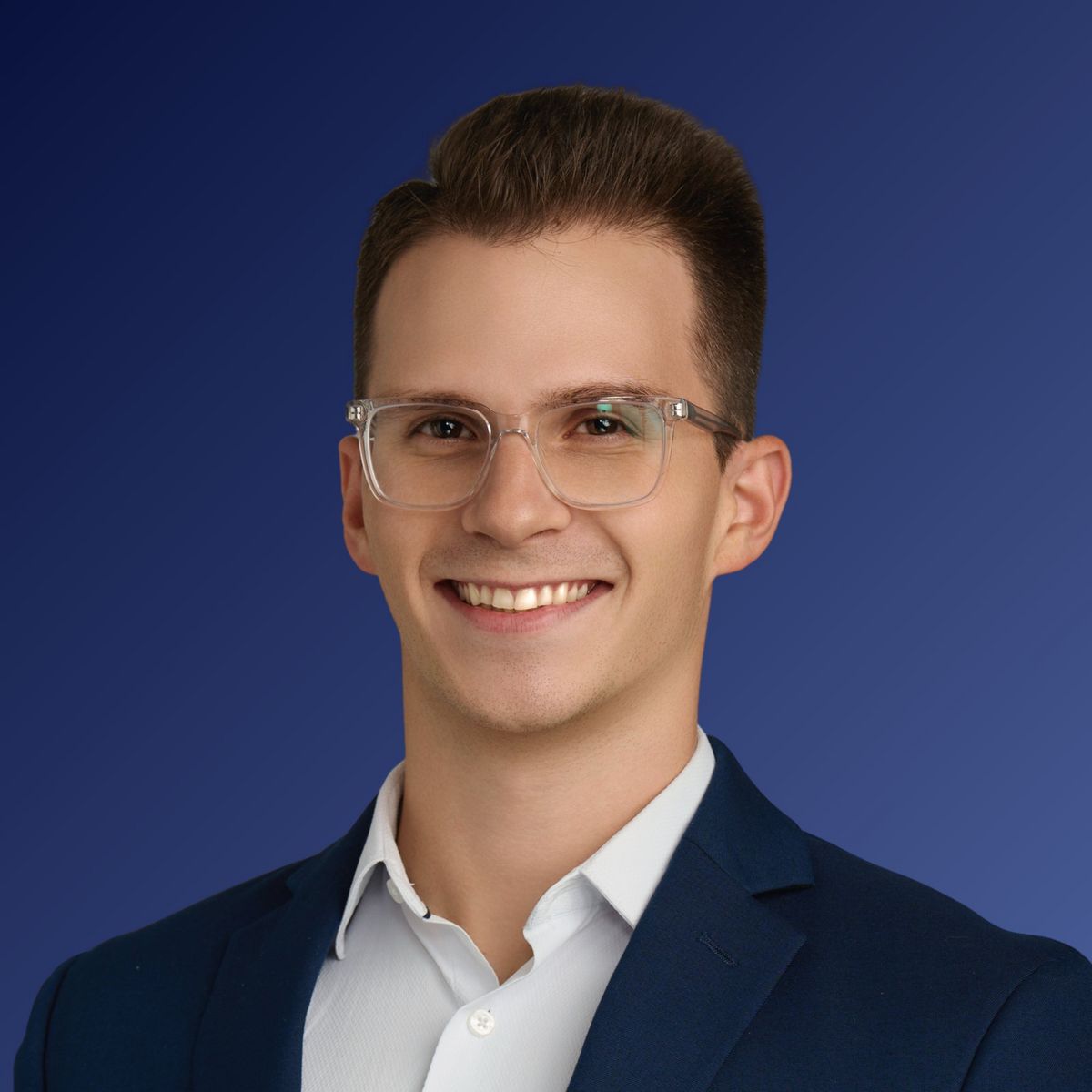
🧑💻 About the Editors

About Noah Frank
Noah is a researcher, innovation strategist, and ex-founder thinking and writing about the future of AI and the workforce. His work and body of research explores the economics of emerging technology and organizational strategy. Outside of AIC, Noah heads research for Centaurian AI.

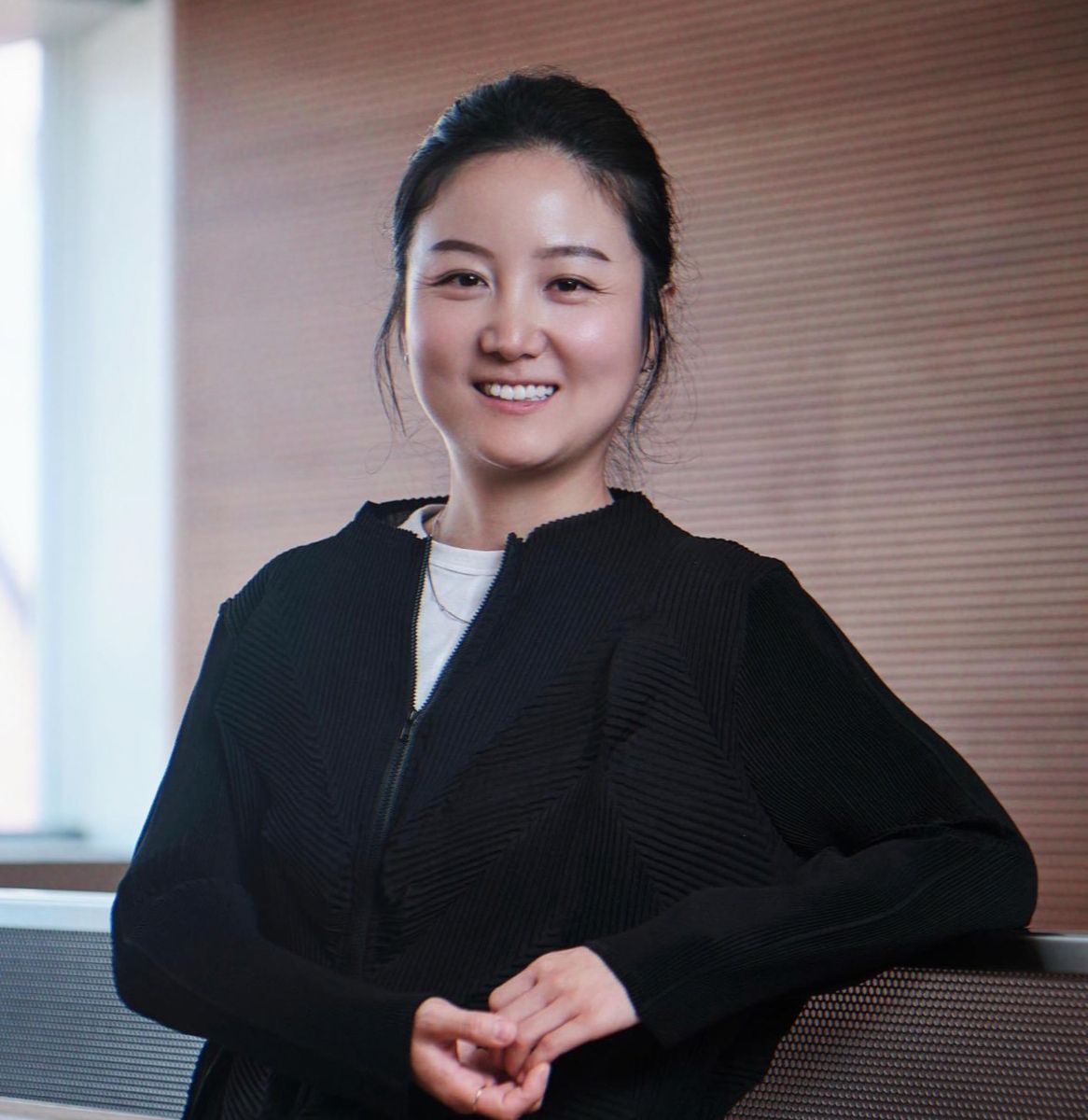
About Joy Dong
Joy is a news editor, writer, and entrepreneur at the intersection of AI and blockchain. Whether she is demystifying complex systems in her newsletter, TEA, or building streamlined solutions through her automation agency, Ownly, Joy’s mission is to make emerging tech accessible and actionable for everyone.

About Lindsay Gross
Lindsay is an AI engineer, researcher, and writer focused on how AI systems behave in practice and what it takes to make them safe. Her work sits at the intersection of AI safety, governance, and product design, and at AIC she writes about the questions that matter most as these systems scale.