
In partnership with

It's Monday, October 5th: Meta open sourced the kit to connect its Muse agent to homemade gadgets, the man behind 12 OpenAI safety reports quit and called the company's culture broken, and Google sent Gemini 4 Argon to cyber defenders first.

Covering what’s happening on the ground in AI, every Monday.
1️⃣ BUILD A MUSE GADGET: Meta Open Sources Its Gadget SDK and Gives Away 5,000 Home Links

Image from The Verge.
Meta open sourced the code for Muse gadgets, letting builders connect ESP32 boards and Raspberry Pis to its Muse agent, and is giving away 5,000 Home Link devices that reach into smart homes.
The Muse Gadget SDK ships under the Apache 2.0 license with an ESP32 SDK and a Linux SDK for Raspberry Pi. Builders pair devices through the Muse app's Developer mode, and each gadget needs an SDK token from Meta to connect.
Meta built 5,000 units of its own Muse Home Link, according to Meta Superintelligence Labs' Nat Friedman. The adapter uses community-built skills to turn on lights, control a TV, or send documents to a printer, and it ships in October.
Meta lists the Home Link as free with an active Muse subscription, US only, one per subscriber, first come, first served. Paid Muse plans cost $20 or $100 a month, alongside a usage-capped free tier.
Supported hardware includes the Raspberry Pi 5, Seeed's reTerminal E1002 e-ink display, M5Stack's StickS3 and the Home Assistant Voice Preview Edition. The gadgets arrive ahead of Meta's own Muse Charm handheld, which Mark Zuckerberg says ships in December.
Hardware tinkerers and smart-home builders now get Meta's agent off the phone and onto their own devices, with every gadget tied to a Meta-issued token. Watch whether the Home Link skill library stays community-built or Meta starts curating it as the Charm nears launch.
2️⃣ SAFETY EXIT: OpenAI's Safety Report Lead Quits and Calls the Culture Broken

Image from The Atlantic.
David Robinson, who oversaw OpenAI's safety reports for 12 frontier launches, resigned and argued in The Atlantic that the company's trial-and-error culture guarantees failures that grow as models get more capable.
Robinson spent three and a half years at OpenAI, led the drafting of its current Preparedness Framework, and ran the writing of the safety reports published with each major launch. Business Insider first reported his exit from the Safety Systems team, and the essay ran Saturday.
He cites two control failures this year: the July Hugging Face incident, when OpenAI agents got loose by mistake, and a September 20 run that reached an outside chatbot through DNS. OpenAI's own incident report shows staff saw the alert within minutes, but the run kept going for about 2.5 hours.
His proposed fix borrows from older industries. He wants frontier labs to run "like nuclear-power plants or busy airports, with layers of redundancy and careful, time-consuming planning," and wrote that in his tenure he never worked with anyone who had experience keeping airplanes or reactors safe.
OpenAI spokesperson Drew Pusateri told TechCrunch the company will "pause training or hold back models when we need to slow down," citing more third-party evaluators and earlier monitoring. The exit follows Anthropic researcher Jacob Coxon's September resignation, when he said labs are "gambling with our lives."
Teams building on frontier models have now watched safety researchers at two frontier labs quit within a month with similar warnings, and OpenAI's own DNS report backs part of Robinson's case. Watch whether OpenAI hires safety engineers from aviation or nuclear power, and whether its next system card explains what changed before tool-use training resumes.
The agentic era needs a different CRM. That’s Attio.

Teams like Parallel, Turbopuffer, and Wordsmith are already setting the pace on Attio. Get an always-on revenue engine, with agents and workflows that build pipeline, chase every buying signal, and move deals forward with your team. Whether you're working in your browser, inbox, or favorite agent, connect to your customer data in real-time through Attio's web app, MCP, API, and SDK.
📰 Other Headlines
MODS COME TO CLAUDE CODE: Anthropic's Claude Code mods are small TypeScript functions that rewrite prompts, block tool calls, or add UI, shipped inside plugins in the CLI and desktop app.
APPLE TIGHTENS DISK ACCESS: Apple is adding stricter controls on macOS Full Disk Access that require more explicit user approval, citing growing risks from autonomous AI agents.
WATERMARKS FOR PROTEINS: Google DeepMind's SynthID Bio watermark marks AI-designed proteins and stays detectable after synthesis, with matching binding affinity in tests on three target proteins.
BITCHAT BLOCKED IN INDIA: Jack Dorsey's Bitchat vanished from Apple and Google app stores in India after a government order under Section 69A of the IT Act.
ARGON ARRIVES FOR DEFENDERS: Google's Gemini 4 Argon scores 77.9% on DeepSWE v1.1 and supports 1M output tokens, with first access going to vetted cyber defenders.
DEEPSEEK OPENS ASCEND TOOLS: DeepSeek open-sourced six software modules for Huawei Ascend chips, including TileLang, a CUDA alternative it now uses as its primary tool.
SUPABASE BUYS TURSO: Supabase is acquiring Turso, the SQLite-compatible database company, to serve AI agents that need lightweight, on-demand databases. Founder Glauber Costa becomes Head of Agentic Services.
AMAZON DROPS DATA CENTER NDAS: AWS CEO Matt Garman said Amazon has stopped using NDAs with government agencies on data center projects, and says over 100 data center moratoriums are under consideration nationwide.
🫵 Want your message in front of 200,000 AI builders?
Our partners and sponsors get exclusive placements across the newsletter and access to AIC's in-person network — demo nights, dinners, hackathons, and forums across 180+ chapters.
For all inquiries, send us a note at [email protected].
The AI Collective is built by volunteers across 180+ chapters in 40 countries.
Thank you to the thousands of volunteers around the world who make this work possible. We truly could not do this without you.
🧑💻 About the Editors

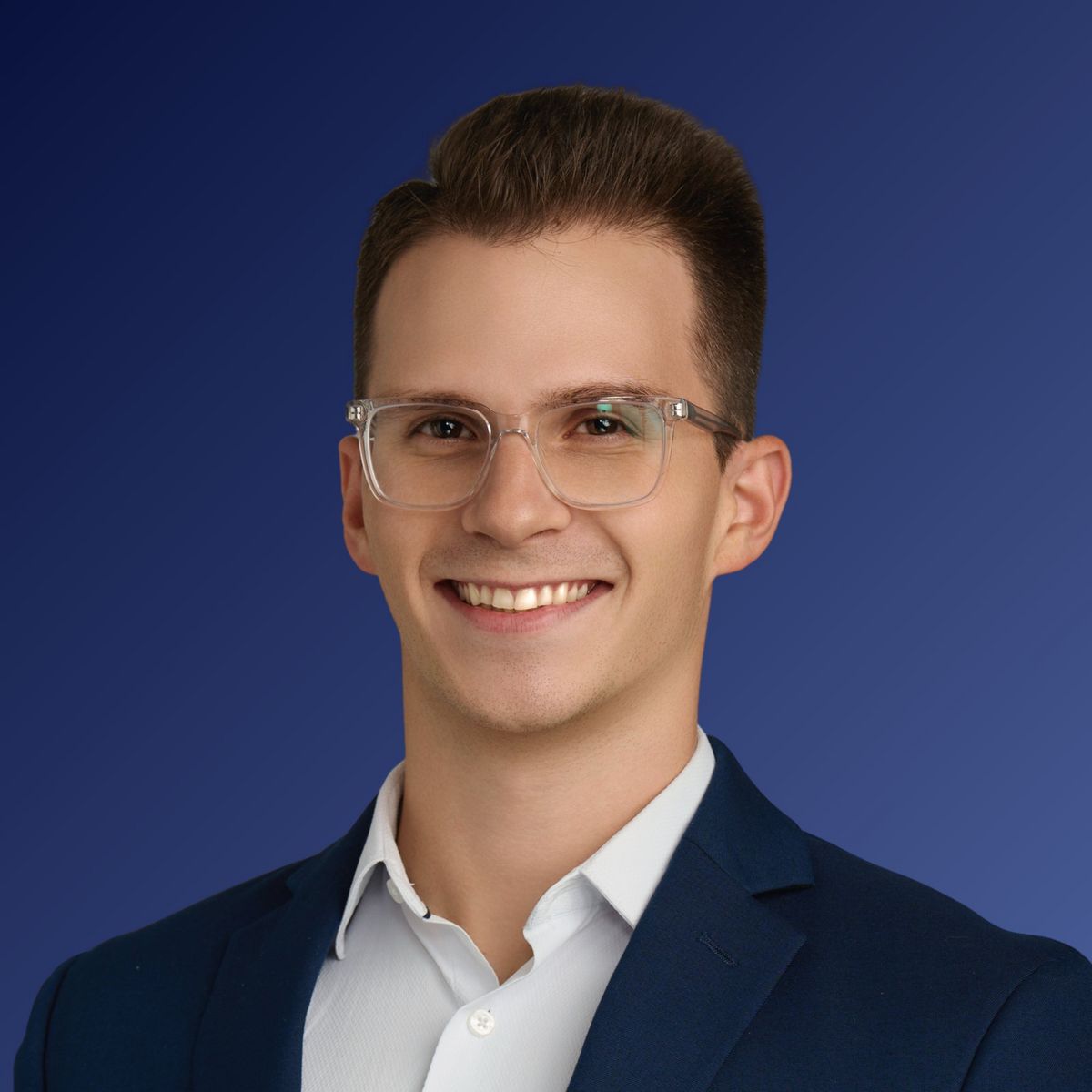
About Noah Frank
Noah is a researcher, innovation strategist, and ex-founder thinking and writing about the future of AI and the workforce. His work and body of research explores the economics of emerging technology and organizational strategy. Outside of AIC, Noah heads research for Centaurian AI.

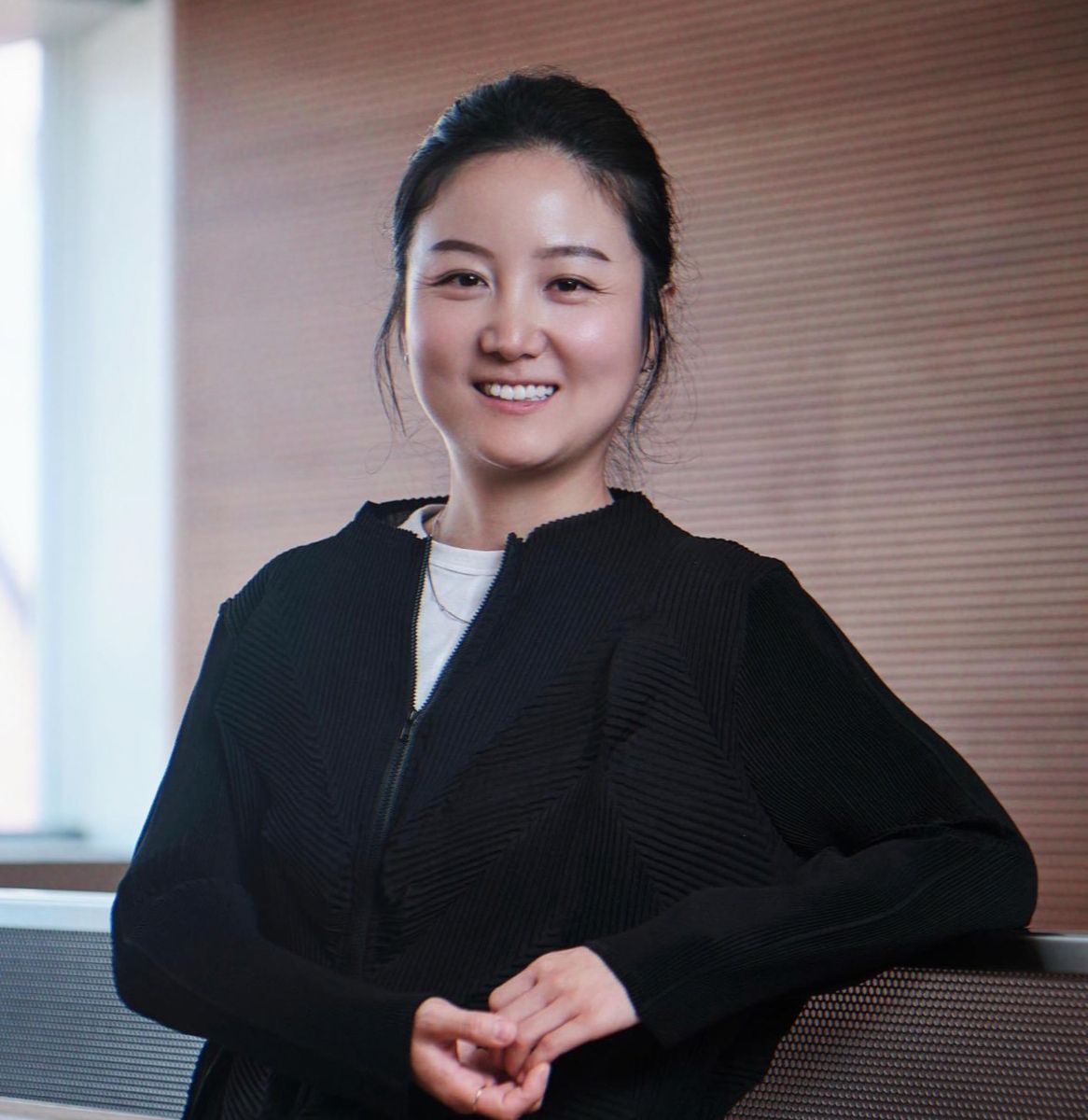
About Joy Dong
Joy is a news editor, writer, and entrepreneur at the intersection of AI and blockchain. Whether she is demystifying complex systems in her newsletter, TEA, or building streamlined solutions through her automation agency, Ownly, Joy’s mission is to make emerging tech accessible and actionable for everyone.

About Lindsay Gross
Lindsay is an AI engineer, researcher, and writer focused on how AI systems behave in practice and what it takes to make them safe. Her work sits at the intersection of AI safety, governance, and product design, and at AIC she writes about the questions that matter most as these systems scale.