
It’s Monday, February 9th: This week, we dive into Anthropic’s new “agent teams” in Opus 4.6, OpenAI’s immediate counterstrike with GPT-5.3-Codex, and our official partnership with NEARCON 2026 in San Francisco.

Head over to our Events Portal to get the latest on upcoming AI Collective events near you. Search by city, date, or event format, and join thousands of builders at events across 100+ chapters on every continent (except Antarctica, for now).
🌁 Based in SF? Check out SF IRL, MLOps SF, GenerativeAISF, or Cerebral Valley’s spreadsheet for more!

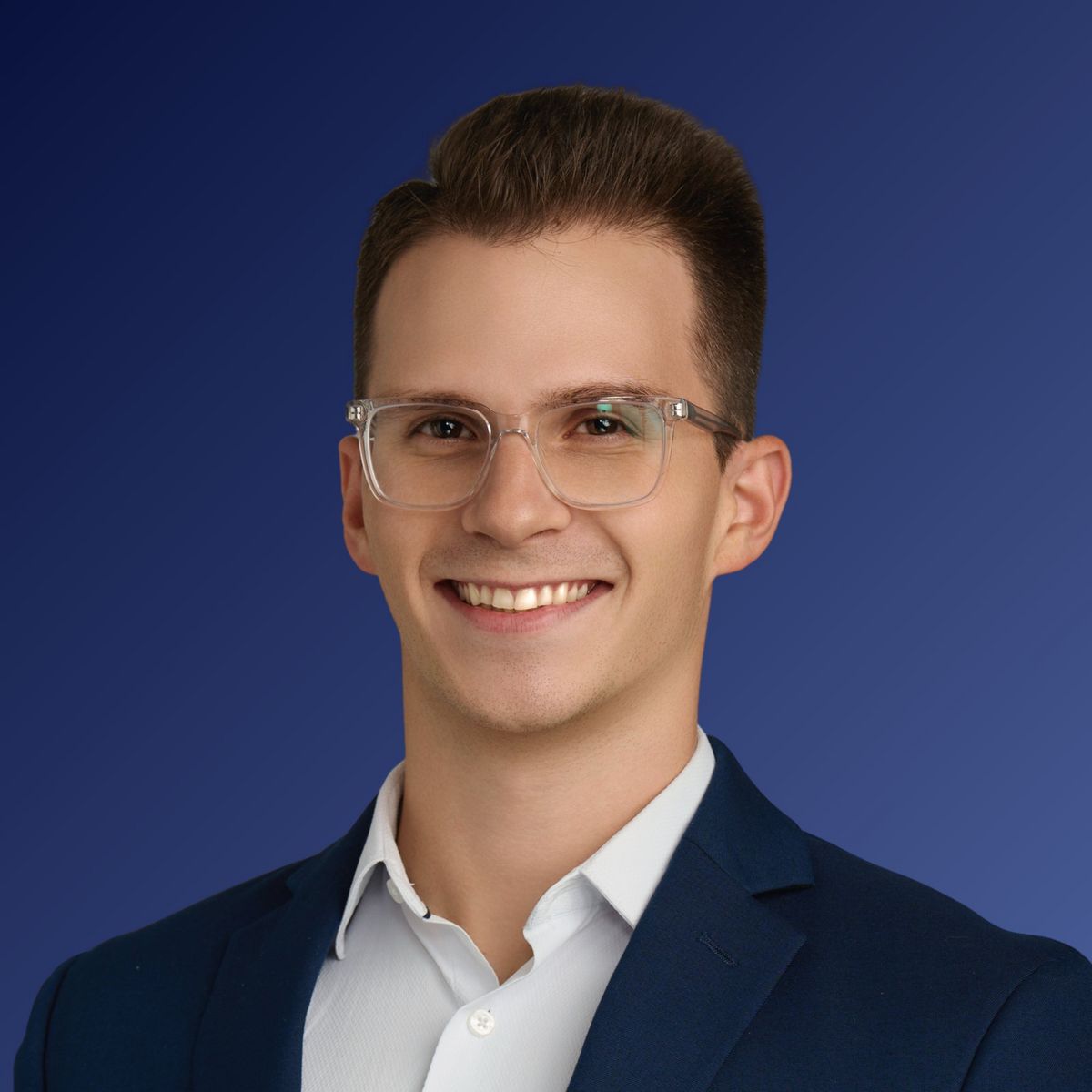
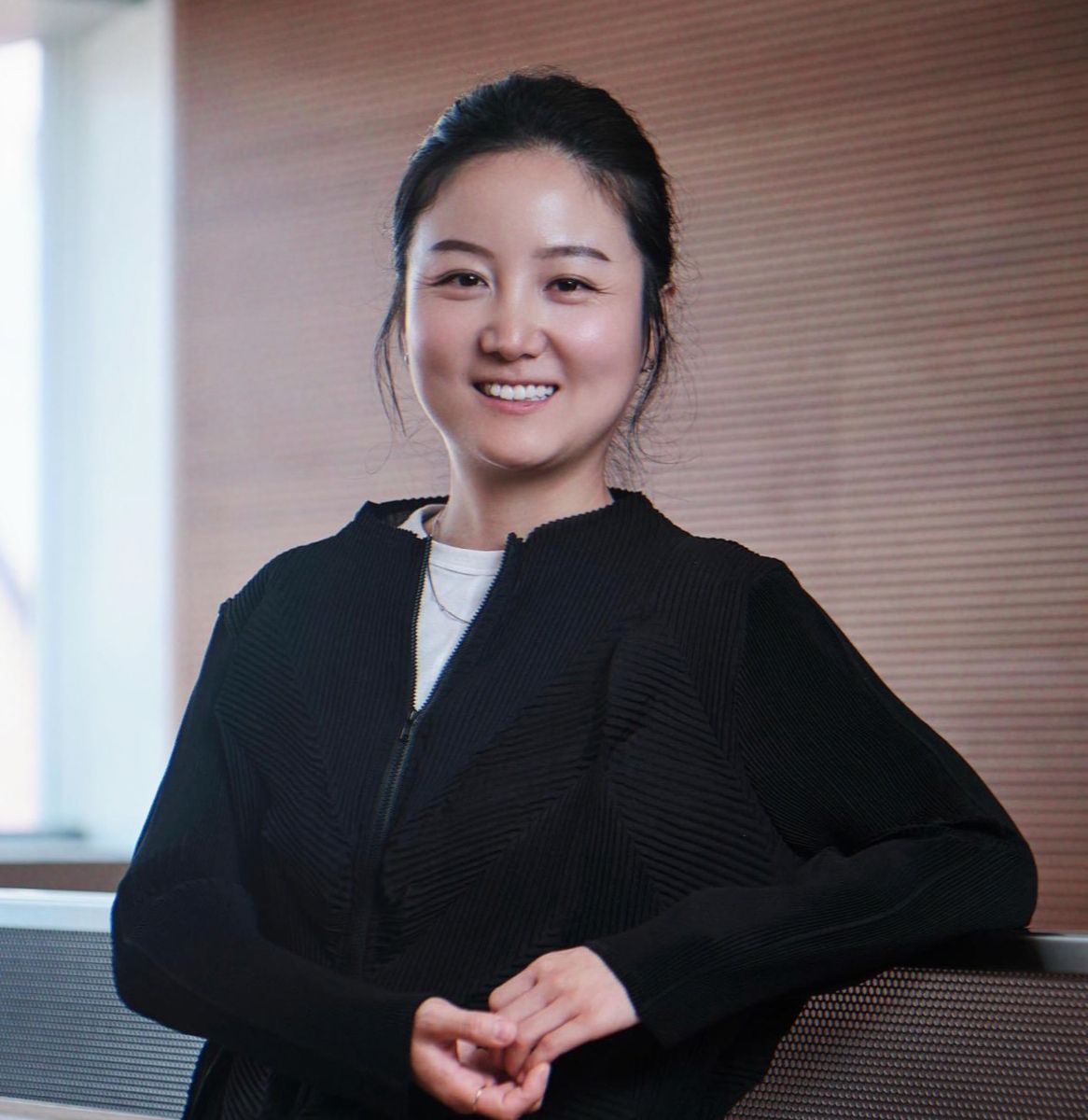
The AI news you need to know: weekly 🤝 by AJ Green
🚀 Anthropic’s Opus 4.6 with “Agent Teams”, 1M Context

News: Anthropic released Claude Opus 4.6, the company’s new most powerful model, featuring multi-agent collaboration in Claude Code, a massive context window, and new Office integrations that embed the AI directly inside PowerPoint and Excel.
Details:
A new “agent teams” capability in Claude Code allows multiple AI agents to divide a single project and work in parallel rather than handling steps sequentially. Head of Product Scott White compared the feature to having a talented team of humans working for you.
Opus 4.6 introduces a 1M token context window to Anthropic’s Opus tier for the first time, scoring 76% on the 8-needle 1M MRCR v2 benchmark compared to Sonnet 4.5’s 18.5%.
New Excel and PowerPoint sidebars let Claude read users’ existing templates and build models or decks natively without copying and pasting between applications.
4.6 topped most agentic benchmarks, including outperforming GPT-5.2 by 144 Elo points on GDPval-AA, though OAI’s Codex 5.3 reclaimed agentic coding highs minutes after.
Why It Matters: The multi-agent “teams” feature is the real unlock here, and I can speak to this directly. It mirrors exactly how I’ve been using Claude Code: delegating to subagents, spinning up parallel instances, and navigating multiple agents simultaneously to dramatically increase my ship rate. That workflow going from power-user hack to native feature is a massive signal. Anthropic isn’t just improving the model. They’re building the collaboration layer that turns a single developer into a small engineering team. If you manage devs or run engineering at your company, this is the release that should reshape how you think about headcount planning in 2026.
🚀 OpenAI’s GPT-5.3-Codex Claps Back

News: OpenAI just dropped GPT-5.3-Codex, a new flagship coding model that fuses its best programming and reasoning capabilities into one faster package, while also serving as a critical tool in its own training and deployment pipeline.
Details:
OpenAI confirmed early versions of 5.3-Codex were used to identify bugs in its own training runs, manage its rollout, and analyze evaluation results. The team was “blown away by how much Codex was able to accelerate its own development.”
Codex leads agentic coding benchmarks like SWE-Bench Pro and Terminal-Bench 2.0, outpacing Opus 4.6 by 12% on the latter just minutes after its launch.
On OSWorld, a benchmark measuring AI control of desktop computers, the model hit 64.7%, nearly doubling the 38.2% from the previous Codex version.
OpenAI flagged the model with its first “High” cybersecurity risk rating and committed $10M in API credits to support defensive security research.
Why It Matters: This is the story of the day, not because of the benchmarks, but because the feedback loop just closed. AI is now materially contributing to the development of its own next version, with Anthropic’s Dario Amodei recently confirming Claude is doing the same. The timing here tells the real story: Anthropic has been shipping unanswered for weeks, and OpenAI dropped Codex 5.3 minutes after Opus 4.6 in what felt like a coordinated counterstrike. The model race isn’t slowing down. It’s becoming a sprint where labs are reacting to each other in real time. If you’re building on top of these systems, the window to understand them before they reshape your workflow is narrowing with every release cycle.

Your pulse on the biggest events and announcements and happening in AI this week.
📅 Events We’re Watching
This week is relatively quiet for major AI conferences we are watching. The next one that really matters is coming up fast. More than 100,000 people are expected in New Delhi next week for the India AI Impact Summit.
Here are a few events to look out for:
February 9 – 10: Global AI Show Riyadh (Riyadh, Saudi Arabia)
Riyadh’s Global AI Show is a large trade show focused on how companies are using AI today. Useful if you follow Middle East investment and partnerships.
February 11: Stanford AI + Education Summit (Stanford, CA)
A one-day event on AI in schools and job training, run by Stanford. Relevant mainly for people working in education. Join virtually via livestream here.
Next up: February 19-20, the India AI Impact Summit in New Delhi, the follow-up to the Paris AI Action Summit.
🔦 Spotlight On: The AI Commercialization Match Heats Up
This week saw the most visible revenue pressure we’ve seen on the big AI labs yet.
Last month, OpenAI began testing ads inside ChatGPT, placing clearly labeled sponsored cards at the bottom of responses for free-tier users. Sam Altman has argued for years that ads would warp the product — once calling them “a last resort” — but OpenAI is spending heavily on compute, does not expect profitability until 2030, and is openly preparing for a Q4 2026 IPO. Ads push ChatGPT into direct competition with Google’s search business by monetizing high-intent queries at massive scale — a shift OpenAI underscored with a Super Bowl spot tied to Codex, its coding agent, now used by over a million people each month.
Anthropic responded with their own pair of Super Bowl ads that took direct aim at the move, closing with the tagline: “Ads are coming to AI. But not to Claude.” This was in the same week that Anthropic released open-source plugins for Claude Cowork targeting legal, finance, and compliance workflows… a move that rattled investors and wiped out close to $1 trillion in software and services market value over two days.
Both labs are now competing to cement what the default enterprise AI platform looks like, and the heat is rising… you can feel it on your keyboards. 🔥
📝 Community Notes
🤝 Partnering with NEARCON 2026: The Intersection of AI & Open Infrastructure

The AI Collective is excited to announce our partnership with NEARCON 2026, a global gathering exploring how AI systems and open infrastructure come together to power the next generation of applications, markets, and digital experiences.
Taking place February 23-24 in San Francisco, NEARCON 2026 focuses on the hard problems that emerge as AI becomes more capable: how AI interfaces with infrastructure, how it executes actions, how it earns and distributes value, and how trust, privacy, and ownership are maintained in a world of autonomous software. These questions are explored in practical terms through talks, demos, and hands-on sessions, bringing together leaders from AI research, open-source infrastructure, crypto-native finance, and traditional industries.
Don’t miss your chance to attend this insightful conference and use the custom link below to register.
Our Premier Partner: Roam

Roam is the virtual workspace our team relies on to stay connected across time zones. It makes collaboration feel natural with shared spaces, private rooms, and built-in AI tools.
Roam’s focus on human-centered collaboration is why they’re our Premier Partner, supporting our mission to connect the builders and leaders shaping the future of AI.
Experience Roam yourself with a free 14-day trial!
➡️ Before You Go
Partner With Us
Launching a new product or hosting an event? Put your work in front of our global audience of builders, founders, and operators — we feature select products and announcements that offer real value to our readers.
👉 To be featured or sponsor a placement, reach out to our team.
The AI Collective is a community of volunteers, made for volunteers. All proceeds directly fund future initiatives that benefit this community.
Stay Connected
💬 Slack: AI Collective
🧑💼 LinkedIn: The AI Collective
𝕏 Twitter / X: @_AI_Collective
Get Involved
About the Authors
About Noah Frank
Noah is a researcher, innovation strategist, and ex-founder thinking and writing about the future of AI. His work and body of research focus on aligning governance strategies to anticipate transformative change before it happens.
About AJ Green
AJ Green is a founder, writer, VC scout, chairman, and respected community leader in the AI and startup space. A former athlete turned tech entrepreneur, AJ is on a mission to make AI the great equalizer scaling startups, connecting ecosystems, and turning disruption into opportunity.
About Joy Dong
Joy is a news editor, writer, and entrepreneur at the forefront of the emerging tech landscape. A former educator turned media strategist, she demystifies complex systems to make AI and blockchain accessible for all. Joy is on a mission to explore how decentralized technology and artificial intelligence can be leveraged to build a more innovative and transparent future.