
It's Friday, May 29th: IT’S ALMOST TIME TO PARTY! Our biggest global celebration yet, Humans in AI Week, starts next week. Plus: we show off our New York and SLC chapters that packed rooms this week.
FROM COLLECTIVE HQ
🚀 Humans in AI Week begins this Monday, June 1.
This coming week, AIC is hosting 100+ events across six continents, all built around a single question: what does it mean to be human in the AI era?
It's the largest human-centered AI gathering we've ever run, with 100+ chapters signed up worldwide — and we just passed 3,000 pledges.
Watch for content all next week, and make sure you're signed up for an event in your city.

Each week, we highlight AIC chapters doing groundbreaking work with their members around the world. Tag us on socials to be featured!
🧂 SLC | The Governance Conversation Most Companies Are Skipping

Image from Cameo Doran
The Salt Lake City chapter ran an AI governance panel at Kirton McConkie's downtown office, sponsored by i4 Ops. Tracy Kane moderated a panel with Peter Shiozawa, Erin Byington, and Trevor Hebditch through the parts of AI adoption that rarely make the keynote: legal exposure, intellectual property, privacy, and compliance gaps. As organizer Cameo Doran put it, governance is one of the most important conversations in AI right now, and most organizations still aren't having it.
Shiozawa argued for allowing controlled AI use inside clear guardrails rather than banning it outright, the same way you supervise where it happens. Byington noted that good lawyers can anticipate where the risk concentrates by recognizing patterns from past problems. Hebditch's approach was to build internal evangelists across departments who translate compliance into each team's own language instead of legalese. The chapter's next event is on June 1 in partnership with the Women Tech Council.
FROM OUR SPONSORS
✍️ Orb: Usage-based billing built for AI

Image from Orb
Modern AI companies need billing systems built for usage-based and hybrid pricing. As products become more usage-driven, agentic, and compute-intensive, pricing models are evolving alongside them: usage-based pricing, credits, hybrid plans, commits, and outcome-based models.
Orb is the modern billing platform built for this shift.
Companies like Vercel, Replit, Glean, and Supabase use Orb to power real-time usage billing, enterprise invoicing, credits & tokens, and flexible monetization infrastructure for AI products.
Purpose-built for usage-based pricing, Orb enables teams to:
Ship pricing changes in days, not quarters
Handle credits, commits, and custom pricing models
Bill accurately without maintaining custom infrastructure
Take a 30-minute conversation with the Orb team and receive a $150 gift card. Invite another teammate working on billing or pricing and you'll both receive one.
🗽 NYC | New York Packed the Room for Genspark Claw

Image from The AI Collective
The New York chapter hosted the NYC stop of the Genspark Claw World Tour, the same five-city run that came through Boston last week. The room was full from the first minute. The questions kept coming back to the same thing: how do you take production-grade agents from a demo to something a team can actually run?
Mariana Klober from Genspark led the session and stayed in the conversation well past the scheduled close, with builders trading ideas and contacts long after the official program ended. The tail end is usually the real signal. When people stay to keep talking, the room worked. New York's did.
FROM OUR SPONSORS
✍️ The Hidden AI Coding Gap: Why Non-English Development Lags Behind

Image from LILT
Leading AI coding assistants score perfectly on English benchmarks like HumanEval but fail drastically in real-world non-English environments. This breakdown happens because standard multilingual evaluations simply translate surface text, completely missing deep linguistic and technical programming contexts.
From handling legacy encodings and character shaping in Arabic to parsing context-dependent grammatical particles in Korean, frontier models lack the native awareness developers take for granted. To build truly universal engineering assistants, we must design benchmarks from the ground up around language-specific developer challenges.
Read the full analysis to see how surface-level translated benchmarks mask critical non-English engineering failures, and learn how to build truly universal AI coding assistants.
🫵 Want your message in front of 200,000 AI builders?
Our partners and sponsors get exclusive placements across the newsletter and access to AIC's in-person network — demo nights, dinners, hackathons, and forums across 180+ chapters.
For all inquiries, send us a note at [email protected].
The AI Collective is built by volunteers across 180+ chapters in 40 countries.
Thank you to the thousands of volunteers around the world who make this work possible. We truly could not do this without you.
🧑💻 About the Editors

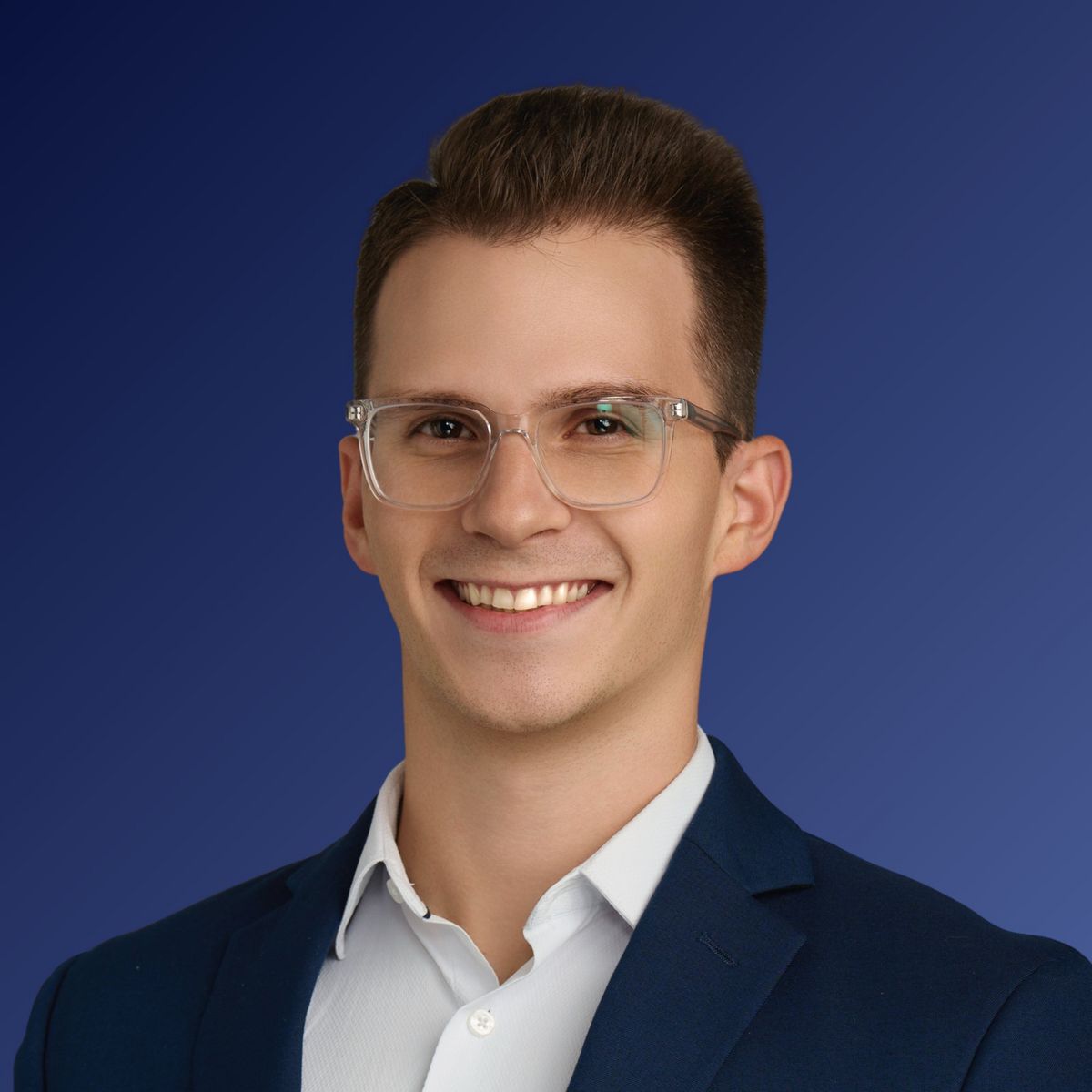
About Noah Frank
Noah is a researcher, innovation strategist, and ex-founder thinking and writing about the future of AI and the workforce. His work and body of research explores the economics of emerging technology and organizational strategy. Outside of AIC, Noah heads research for Centaurian AI.

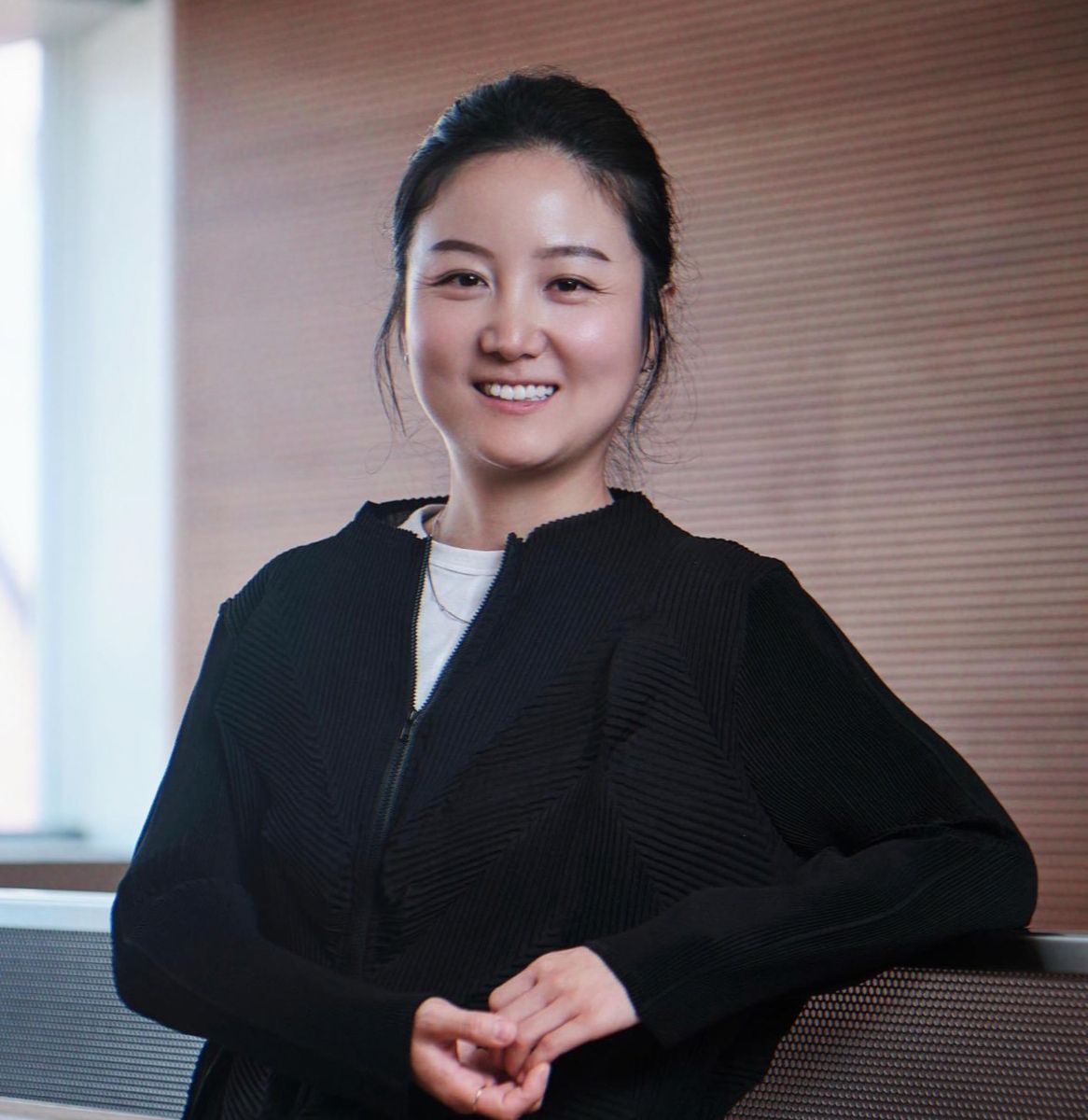
About Joy Dong
Joy is a news editor, writer, and entrepreneur at the intersection of AI and blockchain. Whether she is demystifying complex systems in her newsletter, TEA, or building streamlined solutions through her automation agency, Ownly, Joy’s mission is to make emerging tech accessible and actionable for everyone.