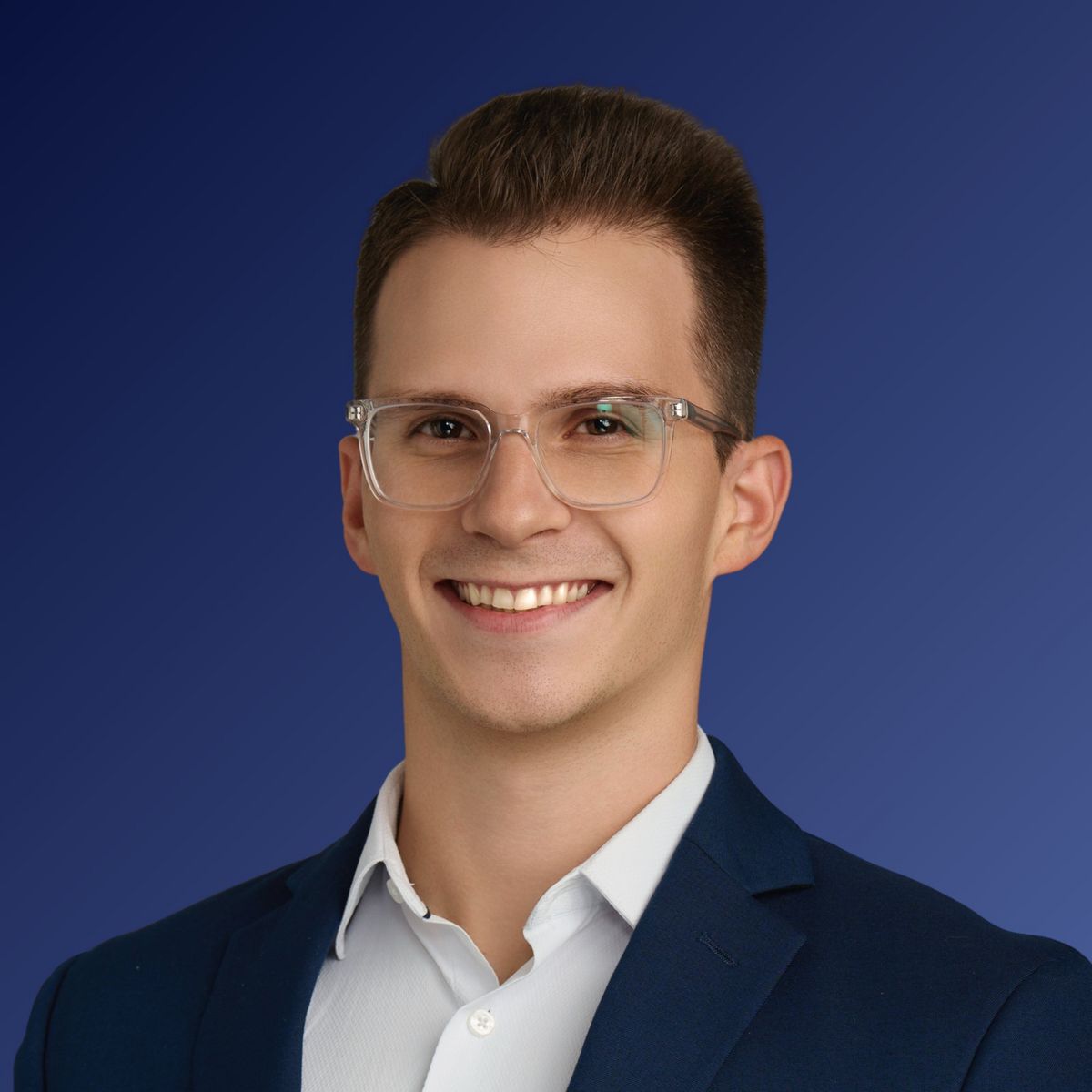
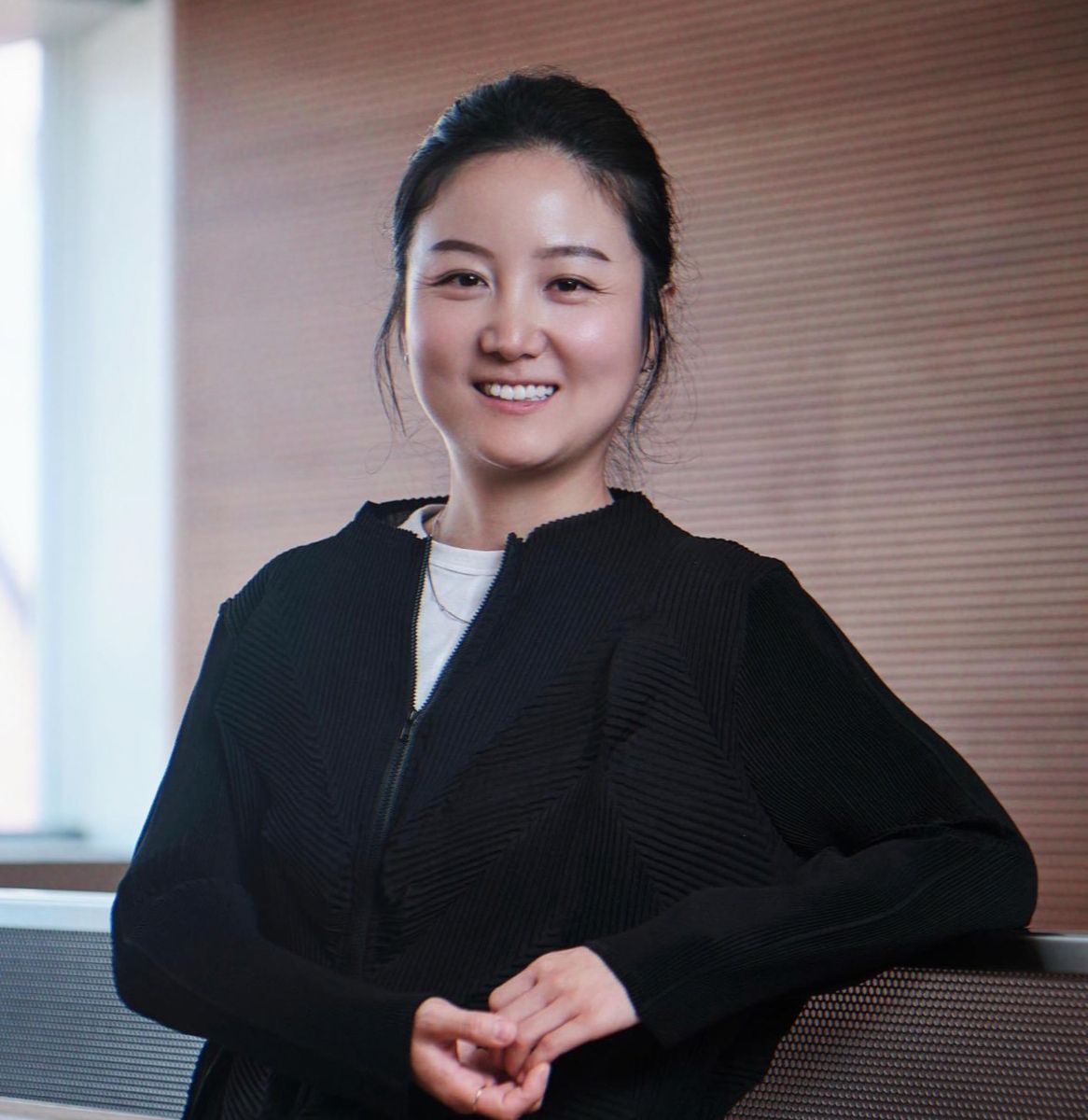
It's Friday, April 17th: Two builders frame the same question from opposite sides. Peter Pang rebuilt CREAO's engineering org around agents shipping eight times a day. CrewAI's João Moura argues the harness is plumbing, not a moat. Plus a new chapter in West Palm and three days of Living Room at HumanX.

Head over to our Events Portal to get the latest on upcoming AI Collective events near you. Search by city, date, or event format, and join thousands of builders at events across 100+ chapters on every continent (except Antarctica, for now).

Here, we feature a few standout stories from creators in our network.
⚙️ What Actually Changes When AI Writes 99% of Your Code

Peter Pang, CTO of agent platform CREAO, posted a detailed account this week of what AI-first engineering actually looks like when it's more than a buzzword. His team of 25 shipped a feature at 10 AM, A/B tested it by noon, killed it at 3 PM when the data said no, and shipped a better version by 5 PM. That cycle used to take six weeks.
The shift wasn't adding Copilot to an IDE. It was rebuilding the engineering process, architecture, and organization around the assumption that agents are the primary builders and humans provide direction and judgment.
Pang's team unified the entire codebase into a single monorepo so agents could see the full system. Every pull request flows through a six-phase CI/CD pipeline and triggers three parallel Claude review passes for code quality, security, and supply chain risk. An automated triage engine queries CloudWatch every morning, clusters errors, scores them across nine severity dimensions, and auto-creates Linear tickets with sample logs and investigation paths. When the fix ships, the same engine reverifies and closes the ticket.
The result over 14 days: three to eight production deploys per day, where the old model would have shipped zero. User engagement and payment conversion both went up.
The org chart restructured into two roles. Architects design the standard operating procedures that teach agents how to work, and they criticize agent output when something looks off. Operators investigate, validate, and approve AI-generated fixes. Pang observed that junior engineers adapted faster than senior ones, because they had fewer habits to unlearn.
His broader point lands hard. If engineering ships in hours but marketing takes a week to announce the release, marketing is now the bottleneck. AI-native has to run through every function, or the slowest one constrains everything. For most founders still running traditional sprint cycles alongside their AI experiments, that sentence is the whole argument.
🛠️ Why the Harness Was Never the Moat

Days after Peter Pang's post went viral, João Moura, CEO of CrewAI, published an argument that cuts the opposite way. Harnesses, frameworks, scaffolds, whatever the industry is calling them this quarter, are commoditizing fast. They are not where defensible value lives.
Moura quotes Garry Tan directly in the piece: "The harness should be thin. The harness is plumbing. Plumbing matters, but nobody builds an exciting defensible product on plumbing."
Moura's core argument is that infrastructure layers get cheaper every month. What compounds is different: proprietary data that accumulates from real customer workflows, trust earned by running in production, and what he calls entangled software, where the product adapts to user behavior instead of forcing users to adapt to the tool.
This is the inversion most agent companies miss. If two teams have the same harness, the same models, and the same tools, the differentiator is the feedback loop each one builds with its customers. The harness is the road. The car is interchangeable. The network of roads, and the traffic patterns running across it, is what matters.
Read alongside Pang's post, the two arguments aren't in conflict. Pang shows what the harness needs to look like when you actually build one at agent speed. Moura argues that the harness is the cost of entry, not the product you're selling. Both pieces are worth reading back to back. Together they describe the next 18 months for anyone building with agents: invest in the harness because you have to, but build your moat somewhere above it.

Each week, we highlight AI Collective chapters doing groundbreaking work with their members around the world. Tag us on socials to be featured!
🌴 WPB | The Inaugural West Palm Chapter Meetup

Image from Aman Sharma
The West Palm Beach chapter launched its inaugural meetup this week, led by organizer Blas Giffuni with support from community member Aman Sharma. The format was an open mic: builders walked through the projects they're shipping, what's working, what's breaking, and where they're stuck.
The room covered applied AI for small and mid-sized businesses, safety considerations as agents move into production, and what the local ecosystem needs to grow. Giffuni described the feel as "energy, curiosity, and laughter": the kind of first meetup where people leave with names, notebooks full, and a reason to come back. If you're in South Florida and building, this is the room.
🌁 SF | Three Days of Living Room at HumanX 2026

Image from AI Collective
The AI Collective hosted its Living Room Series across three days at HumanX 2026 in San Francisco, with 18 sessions and hundreds of participants moving through the space. Day one focused on enterprise AI with Wolf Ruzicka, Josh Haas, and Sam Liang. Day two turned to builders, covering voice AI, code generation, and production deployment with Craig McLuckie and Matthew Zeiler. Day three looked forward to the future of work and AGI, with Vivek Ravisankar and Tyrone Ross Jr. on the stage.
The headline moments landed. Al Gore told the room he believes "we've achieved sentience." Dr. Fei-Fei Li walked through spatial intelligence and world models. Matt Garman called AI "the most consequential technology humanity has ever created." Thanks to Vapi, Roam, and MiniMax for backing the series, and to Stefan Weitz and Wolf Ruzicka for carrying it. The Living Room format is becoming AIC's signature move at flagship events: real conversations, real builders, rooms small enough that you actually meet someone.
🗒️ Community Notes
AI's Language Gap: Why Multilinguality is Core Infrastructure

Current AI models are predominantly built on English data, effectively excluding the 4 out of 5 people worldwide who do not speak English proficiently. This isn't just a translation problem; it's a participation problem. True global access requires treating multilinguality as core infrastructure rather than an afterthought. By moving from surface-level translation to deep localization and native voice processing, organizations can bridge the gap between linguistic reality and AI infrastructure to build trust with users in their own cultural realities.
Explore why the next generation of AI must be built for a multilingual world.
🤝 Thanks to Our Premier Partner: Roam

Roam is the virtual workspace our team relies on to stay connected across time zones. It makes collaboration feel natural with shared spaces, private rooms, and built-in AI tools.
Roam’s focus on human-centered collaboration is why they’re our Premier Partner, supporting our mission to connect the builders and leaders shaping the future of AI.
Experience Roam yourself for your whole team!
🫵 Do You Belong on Our Newsletter?
Share your message with the world’s largest AI community. To inquire about partnership availability, reach out to our team below.
The AI Collective is a community of volunteers, made for volunteers. All proceeds directly fund future initiatives that benefit this community.
Before You Go…
💬 Join Slack: AI Collective
🧑💼 LinkedIn: The AI Collective
📸 Instagram: The AI Collective
𝕏 Twitter / X: @_AI_Collective
Get Involved in Your Community
Thank you to the thousands of volunteers around the world who make this work possible. We truly could not do this without you.

About Noah Frank
Noah is a researcher, innovation strategist, and ex-founder thinking and writing about the future of AI. His work and body of research explores the economics of emerging technology and organizational strategy.

About Joy Dong
Joy is a news editor, writer, and entrepreneur at the forefront of the emerging tech landscape. A former educator turned media strategist, she currently writes TEA, where she demystifies complex systems to make AI and blockchain accessible for all.