
It's Friday, August 7th: Welcome to The Stress Test 🔍
Everyone's braced for machines to read our minds. The half we're not talking about is that the same headsets can write back, sending signals in, not just pulling data out. This week: the court that already made a company delete a senator's brain data, and why mind-writing is the part to watch.
🔍THE STRESS TEST
A Senator, a Headset, and the Fight for Your Own Mind.
One safety story a week, pressure-tested for what's actually happening underneath the surface.
In 2023, a former Chilean senator named Guido Girardi put on a consumer EEG headset made by Emotiv, a San Francisco company whose devices you can still buy online. His brain data ended up on servers abroad. He sued, and Chile's Supreme Court ordered the company to delete it and ruled that the electrical activity of the brain is constitutionally protected. Emotiv argued the harm was only hypothetical. The court said no. It was the first time anywhere a court applied neurorights against a private company, and it started with a wellness gadget.

Emotiv, the company a Chilean court ordered to delete a former senator's brain data, now sells "the operating system for the brain." Source: Emotiv.
That case is about reading: a device pulling data out of a brain. It's the fear everyone has about this technology, and it's real. But it's the half of the story we already tell.
The half almost no one talks about is that the same devices can write. They don't only record the brain's electrical activity, they can send current back in. In medicine, this is old news: deep brain stimulation treats Parkinson's, and it can also change the person, sometimes their impulses, their mood, their sense of who they are. Memory is next. Researchers have shown that precisely timed stimulation improves recall, in one study by 15 percent. The consumer pitch writes itself: a headband that helps you focus, or sleep, or remember what you studied. To do that, it doesn't read you. It writes to you.
Here's why that's the scarier half. Reading is extraction, and we know how to fight extraction: consent, deletion, minimization. Writing is intervention, and none of those tools touch it. You cannot delete a nudge that already happened. And the companies moving in aren't hospitals, they're wellness and gaming, where the entire business model is to optimize engagement, and a device that can adjust your attention has a very direct way to do it.

Emotiv's CEO, Tan Le, on the move this whole piece is about. Source: Emotiv.
This isn't just an internal lab problem. People are buying these already. You could buy one today. The Neurorights Foundation read the privacy policies of thirty consumer neurotech companies last year and found almost ninety-seven percent reserve the right to share your brain data, and fewer than one in five bother to encrypt it.
Regulators are moving, slowly. Colorado added neural data to its privacy law, California did the same to the CCPA. Good. But the US has no federal privacy law to begin with, and HIPAA does not reach a wellness headband, so a handful of states are the entire safety net for the reading half. And look at what those laws cover: brain activity as data, something collected and stored and sold. They're built for reading. There's almost nothing built for writing, for a device that puts a signal in instead of taking one out. We're regulating the brain like a hard drive, right as the new thing about it is that it's also a speaker.
We spent this whole era arguing about what companies are allowed to take from us. The question we haven't started asking is what they're allowed to put in.
The longer version, including the neuroscience career I quit two days in and why the writing problem keeps me up, is on Hidden Layer:
FROM OUR SPONSORS
🧑🏫 Secure Your OPEN Pass to API World + CloudX + AI TechWorld

Our partner DevNetwork is bringing API World + CloudX + AI TechWorld to the Santa Clara Convention Center September 1-3, and they've set aside 50 free OPEN Passes ($195 each) for AI Collective members.
The three co-located conferences run as one independent event, with no single vendor steering the agenda. Software engineers, data scientists, architects, and enterprise technology leaders spend three days on APIs, cloud infrastructure, and how AI is actually getting built and shipped. Technical sessions, keynotes, hands-on workshops, and an expo floor across all three days.
Passes are first come, first served, and there are 50 remaining. We're looking forward to seeing you there!

Each week, we highlight AIC chapters doing groundbreaking work with their members around the world. Tag us on socials to be featured!
🌁 SF | The Collective Shows Up at AGI-26

Image from Catherine McMillan
At SingularityNET’s AGI-26 in San Francisco, Catherine McMillan joined Reza Rassool, Lucius Meredith, Gem Ozan, and Gerrit de Vynck for a panel on AI ethics, decentralization, and social implications. She also featured on Julian Issa’s Beyond Tomorrow Podcast alongside Kes Sampanthar and Noah Frank, discussing the future of work and the societal impact of a post-AGI world.
Off the main stage, the event provided a valuable opportunity for in-person collaboration. Members of The AI Collective team, including AJ, Noah, Hash, Anthony, Layan, Vik, and My, gathered in person, bringing a group that usually works together over Slack into the same room. While industry conferences can often feel draining, Catherine said that the chance to connect with the team in person made the experience remarkably energizing.
🌲 Stanford | The Future of AI Beyond the Chatbot Era

Image from Chappy Asel
At Stanford, Chappy Asel moderated "The Future of AI Beyond the Chatbot Era," a panel bringing together leading builders and investors: Igor Babuschkin (Co-founder & CEO of River AI, former Co-founder of xAI), Jeremy Fraenkel (Founder & CEO of Fundamental), Ricardo Baeza-Yates (Search Chief Scientist at You.com), and Lu Zhang (Founder & Managing Partner at Fusion Fund).
The discussion explored the shift as AI transitions from language processing to autonomous decision-making. Key topics included maintaining trust alongside rapid capability growth, shifting power dynamics amidst falling development costs, and identifying what assets remain scarce in an era of abundant intelligence and execution.
🫵 Want your message in front of 200,000 AI builders?
Our partners and sponsors get exclusive placements across the newsletter and access to AIC's in-person network — demo nights, dinners, hackathons, and forums across 180+ chapters.
For all inquiries, send us a note at [email protected].
The AI Collective is built by volunteers across 180+ chapters in 40 countries.
Thank you to the thousands of volunteers around the world who make this work possible. We truly could not do this without you.
🧑💻 About the Editors

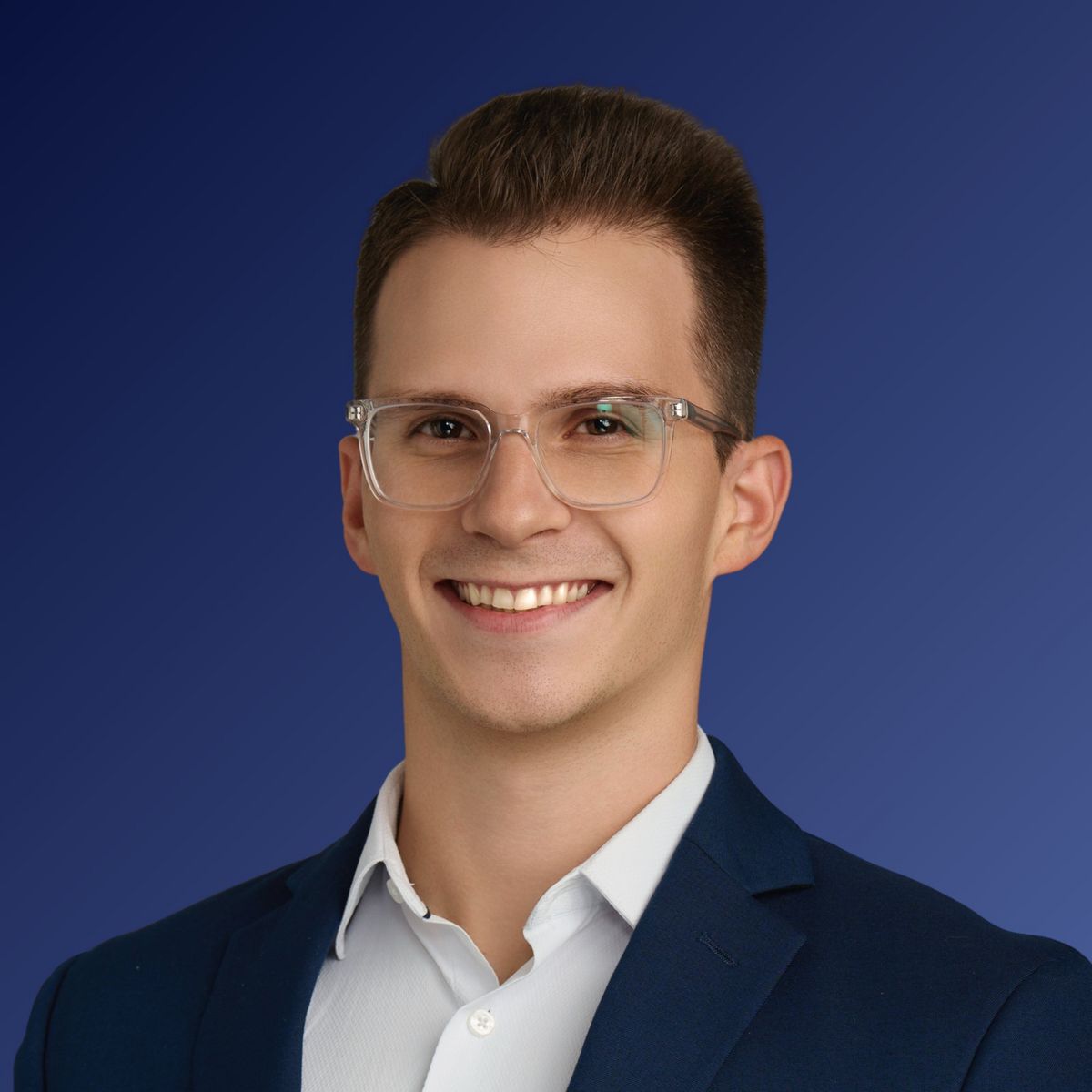
About Noah Frank
Noah is a researcher, innovation strategist, and ex-founder thinking and writing about the future of AI and the workforce. His work and body of research explores the economics of emerging technology and organizational strategy. Outside of AIC, Noah heads research for Centaurian AI.

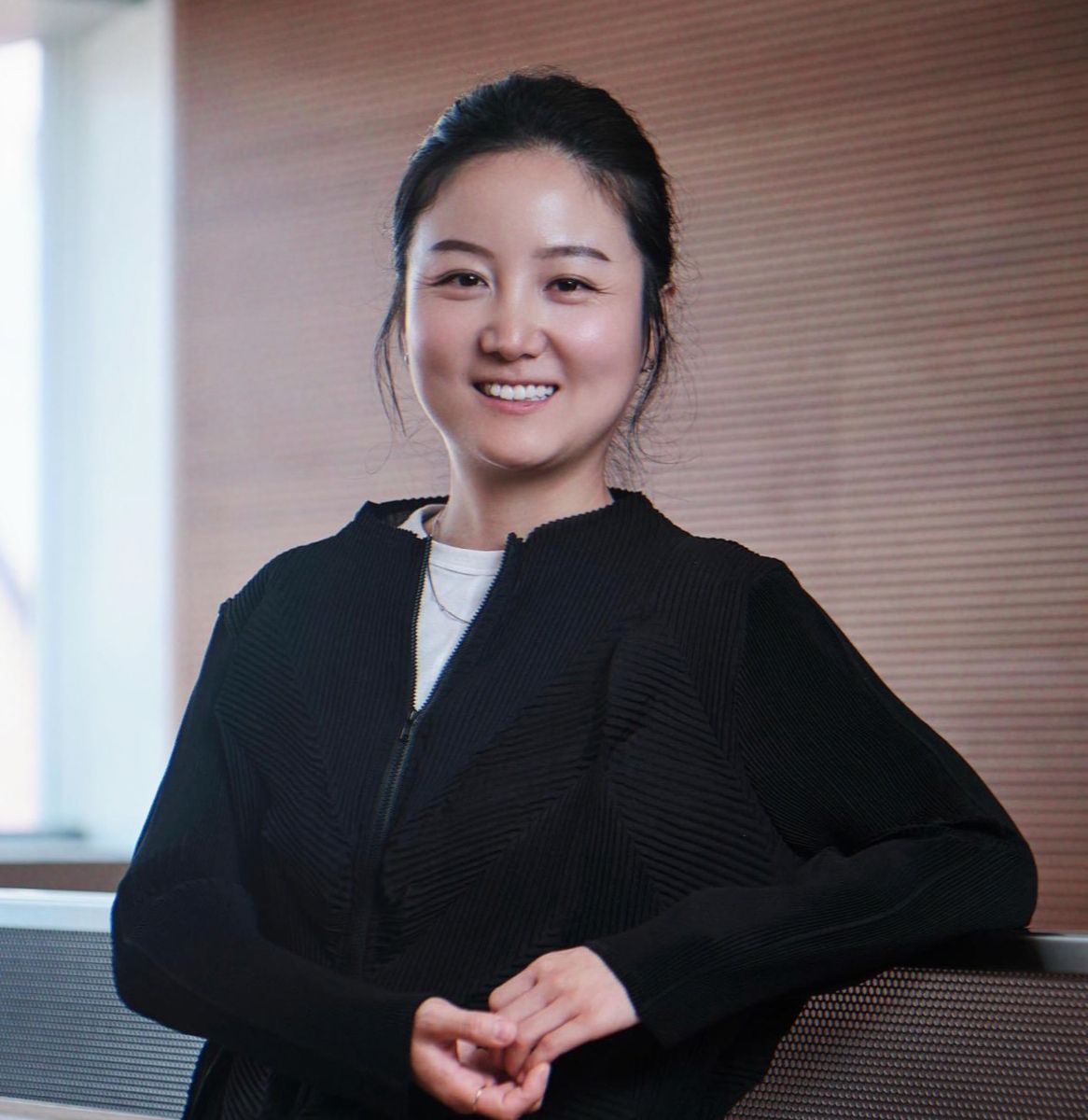
About Joy Dong
Joy is a news editor, writer, and entrepreneur at the intersection of AI and blockchain. Whether she is demystifying complex systems in her newsletter, TEA, or building streamlined solutions through her automation agency, Ownly, Joy’s mission is to make emerging tech accessible and actionable for everyone.

About Lindsay Gross
Lindsay is an AI engineer, researcher, and writer focused on how AI systems behave in practice and what it takes to make them safe. Her work sits at the intersection of AI safety, governance, and product design. At AIC and in her newsletter, Hidden Layer, she writes about the questions that matter most as these systems scale.